Commercial Waste in Golders Green
Commercial waste in Golders Green needs a service that is practical, careful and easy to arrange around everyday business routines. We handle a broad range of non-hazardous business waste streams, helping you clear accumulated materials, remove bulky items and keep workspaces in a usable condition. The aim is straightforward: remove waste responsibly, keep disruption sensible, and give businesses a reliable way to deal with the material they no longer need.
Our commercial waste collection approach is suited to offices, shared premises, retail settings and other workplaces that need items taken away without turning waste handling into a major interruption. Business waste removal sits at the centre of this service, while related collections can also cover furniture, appliances and other bulky items where appropriate. If you need to discuss a particular type of load, you can also look at our pricing and quotes page for a clearer view of how enquiries are handled.
Because businesses produce different kinds of waste, the most useful service is one that can deal with mixed loads in a sensible way. That may include office clear-outs, storage-room contents, redundant fixtures or items that are no longer needed after a refit. The practical value is in having one organised visit rather than several separate arrangements. If you are planning an office clearance or another larger job, please request a quotation when you are ready and we can take the next step from there.
Business collections and workplace clearances
Commercial waste work often involves more than simply taking bags away. Workplaces may need desks, chairs, filing cabinets, shelving, packaging and mixed refuse removed in a way that leaves the area ready for ongoing use. We focus on organised collections that make sense for day-to-day operations, especially where waste has built up over time or where several item types need to go together. Office clearance is particularly relevant where the job includes furniture, paper waste and office equipment in one visit.
Some businesses also need support with redundant fixtures after a layout change or refurbishment. In those situations, the service can be planned around access, item size and the amount of material involved. Larger and smaller premises can both benefit from a structured collection, provided the waste is described clearly at the outset. When office contents are only part of the problem, linked services such as furniture clearance or furniture disposal may be useful for separating bulky items from general waste.
Typical material we can help remove
- office furniture such as desks, chairs and storage units
- cardboard, packaging and other recyclable business waste
- bulkier items from stores, back rooms or stock areas
- redundant contents from workspaces being reorganised
- mixed commercial waste that needs sorting before removal
Bulky items and clearance work for workplaces

Not every business waste job is the same size or shape. Some involve one or two awkward items, while others involve a larger number of bulky materials that have to be removed without blocking normal operations. The work may include worn office seating, shelving, fixtures from staff areas or older furnishings that are no longer suitable for the site. Where the material is more substantial, careful handling matters as much as prompt collection. Related pages such as mattress and sofa disposal and fridge and appliance removal may help if the load includes domestic-style bulky items from a mixed premises or managed property.
For many customers, the useful question is not whether the waste is technically large or small, but whether it can be removed in one organised job. A workplace may need a clear-out after changing tenants, reducing stock or replacing fit-out items. In those cases, a service that handles the load as a whole is often easier to manage than trying to break it into separate tasks. Where content sorting is needed before disposal, it is worth describing the different item types in advance so the collection can be planned sensibly.
Good preparation helps the visit run more smoothly, especially if access is tight or if the material is spread across several rooms. A simple inventory, a few photographs and a clear note of any awkward items can make the quotation process easier. It also helps to mention whether the waste is already bagged, stacked or still in place. That way, the collection can be aligned with the actual job rather than a rough assumption.
How commercial waste removal is usually organised
Commercial waste services are most effective when the scope is described clearly at the outset. That includes the type of premises, the main materials involved and whether the items are loose, bagged, boxed or bulky. We use that information to shape a practical collection rather than leaving the customer to guess what will happen on the day. If the load includes a mix of furniture and general refuse, it may be sensible to discuss the balance between the two before the visit is arranged. A page such as waste removal gives a broad picture of this type of service.
There are also specialist waste streams that need separate handling. For example, some premises may produce confidential paper, while others need help with materials that must be handled more cautiously. If your enquiry includes document destruction, confidential shredding may be relevant. If the items are less sensitive but still require sorting, it helps to keep the list focused on exactly what is present rather than adding broad categories that are not part of the job. That approach keeps the quote process efficient and the collection more accurate.
When you are ready, the main thing to provide is a concise description of the waste and the access conditions. Two or three details are usually more useful than a long narrative. A brief enquiry can cover the size of the load, where the items are located and whether the job involves several different areas. Please ask for a quotation if you would like the collection scope reviewed in a straightforward way.
Handling waste from offices, storage areas and shared premises
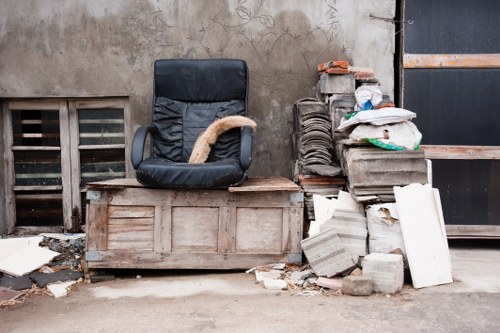
Many commercial waste jobs are built around spaces that are used every day, such as offices, receptions, back rooms, stock cupboards and shared work areas. These spaces often collect mixed material over time, including broken seating, outdated paperwork, packaging and old fixtures. A well-planned collection can remove those items without requiring the customer to organise several different services. If the work includes larger interior clearances, home clearance and flat clearance are useful reference pages for understanding how bulkier contents can be grouped into a single removal plan.
For landlords, managing agents and business owners, the practical concern is often the same: the waste needs to go, but the premises still need to function. That is why a commercial collection should be described in terms of what is actually present, rather than what might be removed later. If the premises include furniture that is no longer required, garage clearance and loft clearance can sometimes be informative comparisons for how mixed contents and bulky stored items are approached in a structured way.
Some clearances are best treated as one-off resets after a change in use, while others are part of keeping a working area manageable. Either way, the benefit lies in reducing clutter and removing items that no longer serve the business. If the material includes a substantial amount of furniture or room contents, it can be useful to separate what remains in use from what is due to be taken away. That makes it easier to create a workable plan without overcomplicating the job.
Materials, sorting and responsible disposal
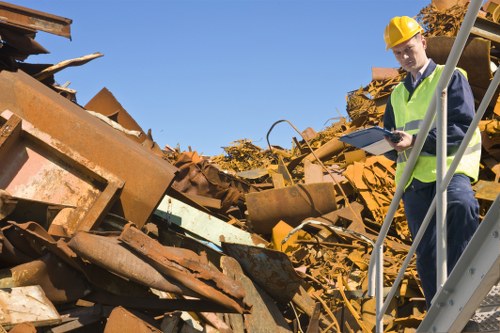
Responsible commercial waste handling is not only about lifting items away; it also involves thinking about what the load contains and how it should be separated. Cardboard, furniture, appliances and mixed refuse do not always belong together in the same handling process, so the description you give at the start matters. Where appropriate, linked pages such as recycling and sustainability can help explain how reusable or recyclable material may be treated, although the exact approach always depends on what is actually in the load.
Some jobs also involve items that are potentially awkward because of weight, size or material type. A business may need to remove redundant fridges, display units or older office equipment, and each of those items can require a slightly different approach. If the waste includes larger domestic-style items from a mixed commercial property, pages such as fridge and appliance removal provide a useful guide to the kind of item grouping that can be arranged. The key point is to describe the materials clearly so that the removal plan reflects the load rather than a guess.
Where items are being disposed of alongside fit-out waste, packaging or outdated stock, we try to keep the overall process orderly and proportionate. That means considering access, the likely volume and whether any of the material needs to be separated before removal. It is not usually helpful to overstate what is present, but it is equally important not to leave out bulky items that could affect the collection. A clear list supports a better quotation and a smoother visit.
About Golders Green
Golders Green is an area in north-west London within the London Borough of Barnet, known for its position around Golders Green Road and Golders Green tube station on the Northern line. The district developed rapidly in the late nineteenth and early twentieth centuries, when the expansion of the Underground encouraged suburban building and new commercial activity. Much of the built form today reflects that period of growth, with interwar houses, local shopping parades and civic buildings sitting alongside later infill development. It is a place with a clearly urban character, yet it also retains access to open green space through nearby Hampstead Heath Extension and Golders Hill Park, both of which contribute to the wider local landscape.
Planning access, timing and the size of the job
Commercial waste collections are easier to organise when the practical details are kept simple and accurate. If a job involves stairs, narrow corridors, shared entrances or a busy loading area, those factors can affect how the waste is removed and how long the visit takes. For that reason, access information is often just as useful as a list of items. A brief description of the route from the premises to the collection point is usually enough to make the quotation more realistic.
It can also help to mention whether the waste is concentrated in one room or spread across several areas. A single storeroom clear-out is very different from a whole-floor office removal, even if the item types overlap. In some cases, the most efficient arrangement is to group related items together before the visit, especially if the load includes both loose rubbish and larger fixtures. Where there are technical or sensitive concerns, the enquiry should reflect those details plainly rather than relying on a generic description.
If you are comparing ways to dispose of business waste, look at the scope first and the access second. That order usually produces a more sensible plan than focusing on a date before the load has been described properly. For businesses that need a broader overview of the available service types, builders waste clearance may be useful where refurbishment debris is involved, while house clearance can help show how larger mixed clearances are grouped when premises contain many different item types. Please request a quotation when the outline is ready.
Commercial waste for refits, refurbishments and changing use
When a workplace is being refitted or partially repurposed, the waste often changes character as the project progresses. Early on, there may be packaging and old fittings; later, the load may include furniture, redundant fixtures and mixed refuse left after the work is completed. A commercial waste service is most useful when it can adapt to that changing pattern without forcing the customer to arrange separate removals for every stage. Where the project includes fit-out debris, a related page such as builders waste clearance can be relevant for understanding the kind of material that may appear during the works.
For some businesses, the challenge is not volume alone but coordination. Staff still need access, customers may still be visiting, and waste may need to be removed without affecting the day-to-day use of the building. That makes clear communication important. It is worth describing which areas are involved, what is staying in place and what is being removed, especially if the job combines office waste, furniture and general rubbish. A careful description of the load helps us respond with a plan that fits the premises rather than a generic estimate.
Commercial waste in Golders Green is often about keeping working spaces orderly while items are being moved out of service. Whether the job involves a single room, a back-office store or a larger premises clear-out, the purpose is the same: remove the unwanted material in a controlled way and leave the space easier to use. If you are ready to move forward, request a quotation and we will take the details from there.
Other useful pages for arranging a waste clearance
Different jobs sometimes call for different service pages, especially when the waste is mixed or when the collection includes item types that need more specific handling. If a business enquiry includes general refuse, bulky items and furniture together, it can be useful to read across to pages that describe those parts separately. The most relevant references on this site include about us for a broader company overview and book online if you prefer to move straight from enquiry to arrangement after reviewing the service scope.
There are also practical pages that explain the framework behind the service rather than the collection itself. insurance and safety gives a useful outline of the safety-minded approach to handling waste, while payment and security is relevant if you want to understand the arrangements connected with booking and administration. These pages do not replace a quotation, but they can help you decide which details to have ready before you make contact.
For customers who want a more complete picture before sending an enquiry, the best approach is to identify the waste type, the access conditions and the likely amount of material involved. That is usually enough to move the conversation forward without overcomplicating the process. Commercial waste does not need to become a long exercise in administration; it simply needs to be described clearly so that the right service can be set out. Please request a quotation when you are ready to proceed.