Golders Green Road rubbish collection guide for residents
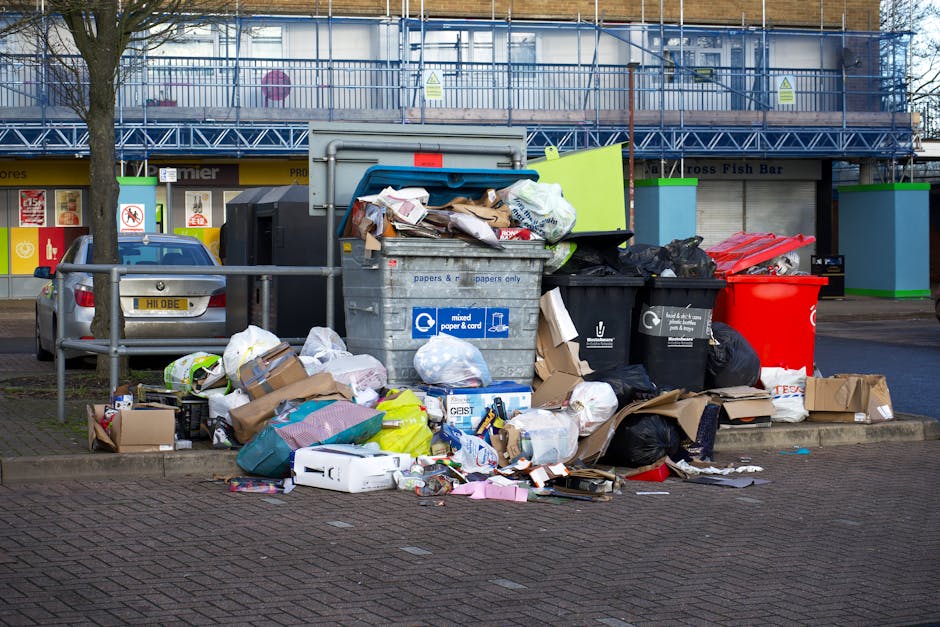
If you live on or near Golders Green Road, rubbish can pile up faster than you expect. A broken chair in the hallway, a heap of packaging after a flat move, garden cuttings that smell a bit too earthy by Sunday evening - it all adds up. This Golders Green Road rubbish collection guide for residents is here to make the process simpler, safer, and far less stressful.
Whether you are clearing a single bulky item or planning a bigger household tidy-up, the right collection approach saves time, keeps shared spaces cleaner, and reduces the chance of awkward mistakes. Truth be told, rubbish is rarely just rubbish once you start sorting it properly. Some items need special handling, some can be recycled, and some are best removed quickly so they do not become a nuisance.
In the guide below, you will find a clear breakdown of how rubbish collection tends to work in this part of North London, what residents usually need to prepare, where problems happen, and how to choose the most practical option for your situation.
Why Golders Green Road rubbish collection guide for residents Matters
Golders Green Road is busy, lived-in, and constantly moving. That is part of its appeal, but it also means rubbish management needs a bit of thought. In a street with flats, maisonettes, shops, side roads, and frequent foot traffic, waste left out for too long can quickly turn from a minor inconvenience into a real mess.
Residents often deal with a mix of everyday rubbish and occasional one-off waste: furniture that will not fit down the stairs, broken appliances, loft clutter, old mattresses, bags of mixed junk after a home clear-out. If you are in a block of flats, the pressure is even higher because shared access areas can become blocked in no time.
There is also a practical side to this. Poorly managed rubbish can attract pests, create bad smells, and make communal entrances look neglected. Nobody wants to step over a sagging bin bag at 7:30 in the morning with coffee in hand. Not exactly a great start to the day.
A good rubbish collection plan matters because it helps you:
- keep your home or building tidy
- avoid unnecessary lifting and repeated trips to the kerb
- reduce fire and safety risks in shared areas
- sort recyclable and non-recyclable items properly
- choose the fastest option when you need waste gone quickly
For residents who want a broader view of disposal options, it can also help to understand related services like waste removal, house clearance, or flat clearance. Those pages are useful when your rubbish is part of a larger tidy-up rather than a simple bin day.
How Golders Green Road rubbish collection guide for residents Works
Rubbish collection for residents generally falls into a few broad routes. The right one depends on the type of waste, how much you have, and how urgently you need it removed.
1. Routine household collection
This is the regular weekly or scheduled waste collection most residents rely on. It is best for everyday rubbish: food waste, packaging, small non-recyclable items, and the usual household leftovers. The catch? It only works well when items are sorted correctly and presented in the right way. Mixed waste in the wrong container can lead to missed collection or a messy reset.
2. Recycling streams
Most households now separate recyclable materials where possible. That might include paper, cardboard, glass, cans, plastics, and other accepted household recyclables. Keeping recycling clean and dry makes a real difference. Once cardboard gets damp or greasy, it can be a pain to handle, and sometimes it stops being useful altogether.
3. Bulky waste and one-off collections
For larger items such as sofas, wardrobes, mattresses, or appliances, residents usually need a separate bulky waste solution. These items are awkward to move and often need two people, proper lifting technique, and a vehicle that can handle the load. If you are dealing with a one-off item, this route is often the least stressful.
4. Private rubbish collection and clearance
When waste volumes are too large for regular collection, or when the job needs to be done quickly, a private clearance service can be the most practical option. This is especially helpful for end-of-tenancy clear-outs, loft declutters, post-renovation rubbish, or a garage that has quietly become a time capsule. If you need broader support, home clearance and loft clearance can be useful starting points.
5. Specialist disposal for specific items
Some items cannot just be thrown into mixed rubbish. Fridges, freezers, appliances, and certain hazardous materials require special handling. For those situations, look into fridge and appliance removal or hazardous waste disposal where relevant. Better safe than sorry, honestly.
In practice, the process usually looks like this: you sort the items, decide what can be recycled, identify what needs special treatment, and then arrange the most suitable collection method. Simple on paper. Less simple when the hallway is full of flat-pack packaging and a half-dismantled bookcase. Still, manageable.
Key Benefits and Practical Advantages
A sensible rubbish collection approach gives residents more than just a cleaner home. It also improves day-to-day living in ways you notice almost immediately.
- Less clutter: Rooms feel bigger, lighter, and easier to use.
- Faster moving and clearing: Particularly useful if you are between tenancies or reorganising a flat.
- Better hygiene: Waste does not linger long enough to create odours or attract pests.
- Safer shared spaces: A clear entrance, stairwell, or pavement is easier for everyone to use.
- More recycling: Separating materials properly can reduce avoidable landfill waste.
- Less stress: You do not have to keep thinking, "I'll deal with that tomorrow."
There is also a mental benefit that people often underestimate. A tidy space makes decisions easier. You see what you own, what you need, and what should probably go. That little bit of clarity is powerful, especially in compact London homes where storage is always tight.
If you are planning a broader declutter, the related pages on furniture disposal and mattress and sofa disposal can help you think through the items that tend to cause the most headaches.
Who This Is For and When It Makes Sense
This guide is useful for a wide range of residents, not just people doing a big spring clean. In fact, many rubbish issues start small and grow slowly. A bag here, a broken lamp there, a chair in the spare room that nobody wants to deal with. Then suddenly it is all stacked in one corner and you cannot open the cupboard properly.
It makes particular sense if you are:
- living in a flat or maisonette with limited storage
- moving in or moving out of a property
- clearing out a loft, garage, or spare room
- dealing with bulky furniture or appliances
- managing renovation debris or builders' offcuts
- trying to reduce clutter after a long period of accumulation
- sorting a shared household with different waste habits - which, let's face it, can be a delicate conversation
Renters often need this guidance because they want to leave a property in decent shape without spending all weekend making endless trips with bin bags. Homeowners need it because long-term clutter becomes embedded into daily life, and after a while you stop noticing it. Until the first guest arrives, of course.
For larger-scale clear-outs, it may also be worth exploring garage clearance, furniture clearance, or builders waste clearance depending on what you are dealing with.
Step-by-Step Guidance
Here is a straightforward way to handle rubbish collection without making it harder than it needs to be.
- Walk through the property room by room. Start with the obvious areas: kitchen, hallway, bedroom, storage spaces. Gather waste into clear categories rather than one giant pile.
- Separate the items. Divide waste into general rubbish, recyclables, reusable goods, bulky items, and anything potentially hazardous.
- Check for special handling needs. Fridges, paints, chemicals, electrical items, and sharp materials may require different treatment from ordinary household waste.
- Measure bulky items. If a sofa barely fits through the door when you tilt it just so, you need to know that before collection day, not after.
- Decide on the collection route. Routine bin collection, bulky item collection, or a private removal service are the usual choices.
- Book or schedule the collection. Leave enough time for access, parking, and any building entry arrangements.
- Prepare the items properly. Break down cardboard, empty containers where needed, and keep pathways clear for safe removal.
- Confirm what will actually be taken. A quick double-check saves awkward surprises on the day.
A small practical tip: if you live in a shared building, tell neighbours or the managing agent if items will need to move through communal areas. It is a simple courtesy, and it avoids the classic "someone has blocked the stairwell again" moment.
If you want to compare options before booking, the pages for pricing and quotes and book online are useful next steps when you are ready to move from planning to action.
Expert Tips for Better Results
After enough clearances, you start to see the same patterns. A few good habits make the whole process smoother.
- Do the heavy lifting earlier in the day. If you are tackling clutter indoors, daylight helps you spot what is actually there. Evening clears tend to feel longer and more tiring.
- Keep a "maybe" box. If you are not sure about an item, set it aside instead of deciding in a rush. One hour later, the decision is usually clearer.
- Use bags and boxes that can handle the weight. Overfilled bags split at the worst possible time. Usually on the stairs. Naturally.
- Don't mix special waste with ordinary rubbish. A single wrong item can complicate the whole load.
- Group like with like. Keeping wood, metal, cardboard, and general waste separate can make recycling and loading much easier.
- Protect access routes. If you are moving items down a hallway, make sure floors are clear and trip hazards are removed first.
One thing people often overlook is timing around parking and access. On a road as active as Golders Green Road, a collection that works at 10 a.m. might be a nuisance at 4 p.m. If you have a choice, think about when traffic is calmer and when building access is simplest.
For residents dealing with items that need extra care, it can also help to read up on insurance and safety and health and safety policy information before choosing a provider. Not glamorous, no, but very useful.
Common Mistakes to Avoid
Most rubbish collection problems are avoidable. That is the good news. The bad news is they usually come from very ordinary mistakes.
- Leaving sorting until the last minute. Rushing causes mistakes, and mistakes waste time.
- Assuming everything can go in one load. Some materials need specialist handling.
- Underestimating volume. A "few bags" often turns into a van-load once you start.
- Blocking shared access areas. This creates safety issues and annoys neighbours fast.
- Ignoring item condition. A leaking appliance or broken glass needs careful handling.
- Forgetting about paperwork or confirmation. If you have booked a service, keep the details handy.
Another common slip is forgetting that some items are recyclable even if they look like plain rubbish. Clean cardboard, certain plastics, and scrap metal often need to be separated properly. It is a small thing, but small things matter here.
And yes, sometimes people keep a broken item "just in case" they might repair it. Three years later, it is still there. We have all done it. Well, almost all of us.
Tools, Resources and Recommendations
You do not need fancy equipment to manage rubbish well, but a few basic tools make a difference.
- Heavy-duty sacks: Better than thin bags for dense waste like old books or mixed household rubbish.
- Labels or marker pens: Very helpful when you are sorting waste into categories.
- Gloves: Useful for sharp or dusty items.
- Trolley or sack truck: Particularly useful for heavier loads or when you are moving waste from a rear access point.
- Boxes for reusable items: Keeps donation, resale, and disposal decisions separate.
For residents who need to understand what belongs where, the page on what can go in a skip is a practical reference, even if you are not actually hiring a skip. It gives a useful sense of how waste types are commonly grouped.
If your clear-out touches business or home office items, office clearance and confidential shredding can also be relevant. Paper, old files, and mixed admin clutter often get overlooked until the last minute.
For people who care about disposal choices from an environmental point of view, recycling and sustainability is a useful page to read alongside this guide. The greener option is often the cleaner option too. Convenient, really.
Law, Compliance, Standards, or Best Practice
When you are dealing with rubbish in the UK, best practice matters even if you are only clearing a home. You do not need to become a compliance expert, but you should understand the basics.
As a resident, you should make sure waste is presented safely, sorted sensibly, and handed over to a proper carrier or collection route. If you use a private removal service, it is wise to check that the waste is handled lawfully and that the provider has a clear approach to safety and responsible disposal.
For items that may be hazardous, electrical, or capable of causing harm if mishandled, do not guess. That is where specialist disposal becomes important. A cracked screen, a leaking appliance, or containers holding residue can create risks that are easy to underestimate at home.
Good practice also includes:
- keeping waste on your property until the agreed collection time where possible
- not leaving loose rubbish where it can blow or spill onto the street
- avoiding obstruction of pavements, entrances, and fire exits
- separating recyclable materials where it is practical to do so
- being careful with sharps, glass, chemicals, and electrical items
For service expectations, it is also sensible to review a provider's terms and conditions and privacy policy if you are booking online or sharing property access details. Basic, yes, but worth doing.
Options, Methods, or Comparison Table
Different collection methods suit different situations. There is no single best choice for everyone, which is why residents benefit from comparing them properly rather than guessing.
| Method | Best for | Pros | Limitations |
|---|---|---|---|
| Routine household collection | Everyday rubbish and recycling | Simple, familiar, low effort | Limited to approved waste and set schedules |
| Bulky waste collection | Single large items or a small number of heavy goods | Good for sofas, mattresses, wardrobes | Not ideal for large mixed loads |
| Private waste removal | Fast or flexible clear-outs | Useful for mixed, bulky, or urgent waste | Needs booking and clear item lists |
| Specialist disposal | Appliances, hazardous items, confidential material | Safer and more appropriate for restricted waste | Requires the right service and preparation |
If you are clearing a home after a move, private collection often feels easiest because it handles mixed items in one visit. If you only have one mattress and a few bags of waste, a simpler route may be enough. The key is matching the method to the job, not the other way around.
When residents need broader removal support, home clearance and garage clearance can be more appropriate than trying to piece everything together yourself.
Case Study or Real-World Example
Picture a common scenario on Golders Green Road: a resident in a second-floor flat has finished redecorating, replaced a tired sofa, and finally cleared the hallway cupboard that had been hiding old boxes for years. Nothing dramatic, just the sort of job that quietly becomes bigger as soon as you start.
At first, the plan was to carry items down in a few trips and leave them out for collection. But once the resident saw the size of the sofa, the broken shelving, and the mixed bag of packaging, it became clear that a more organised approach would save time and hassle. A quick sort separated recyclables, reusable items, and waste that needed removal together.
What made the difference was preparation: measuring the sofa, checking access through the stairwell, grouping items by type, and arranging a collection method that could handle everything in one go. The hallway stayed clear, the neighbours were not disturbed for long, and the whole thing felt a lot less chaotic than expected.
That is usually how it goes. The best waste collection jobs are the ones that look easy because somebody thought them through beforehand.
Practical Checklist
Use this checklist before collection day. It keeps things tidy and avoids last-minute stress.
- Have I sorted rubbish into general waste, recycling, bulky items, and specialist items?
- Have I checked whether any item needs special disposal, such as an appliance or hazardous material?
- Have I measured large items that need to pass through doors, lifts, or stairwells?
- Are all access routes clear and safe?
- Have I confirmed the collection time and what will be taken?
- Are fragile, sharp, or leaking items wrapped or secured properly?
- Have I separated items I might want to keep or donate?
- Is there enough space for the waste to be placed without blocking shared areas?
- Do I know what to do if something unexpected turns up during the clear-out?
- Have I kept key booking details somewhere easy to find?
If you can answer yes to most of those, you are in good shape. No need to overcomplicate it.
Conclusion
Rubbish collection for residents on Golders Green Road works best when it is planned, sorted, and matched to the type of waste you actually have. That sounds obvious, but in real life it often gets skipped because people are busy, tired, or just fed up with looking at the mess. Fair enough.
The main takeaway is simple: do not treat every item the same. Household rubbish, recycling, bulky furniture, appliances, and hazardous materials each deserve a different level of care. Once you understand that, the whole job becomes much easier to handle.
Whether you are clearing a single room or dealing with a full property tidy-up, a calm, organised approach saves time and reduces stress. And once the clutter is gone, the space feels different - lighter, quieter, easier to live in. That part never gets old.
Get a free quote today and see how much you can save.
If you are still deciding which route makes sense, it can help to review the service pages most relevant to your situation and then choose the option that fits your waste type, access, and timing. A little planning now usually pays off later, and that is no bad thing.
Frequently Asked Questions
What is the best rubbish collection option for residents on Golders Green Road?
The best option depends on the type and amount of waste. Regular household rubbish is usually fine for routine collection, while bulky items, mixed clear-outs, or specialist waste may need a private removal or specialist service.
Can I put bulky furniture out with normal household rubbish?
Usually not. Large furniture often needs separate bulky waste handling because it is too big, heavy, or awkward for standard collection. Sofas, wardrobes, and mattresses are common examples.
How should I deal with a broken fridge or appliance?
Do not leave it with standard waste unless you know it is accepted locally. Appliances often need specialist removal because of their size and the materials inside them. The safest move is to arrange proper appliance disposal.
What should I do with hazardous household waste?
Hazardous items should be kept separate and handled with care. If you are unsure whether something counts as hazardous, do not mix it with general waste. Specialist disposal is the better option.
Is it worth booking a private rubbish collection for just a few items?
Sometimes yes, especially if the items are bulky, difficult to move, or urgent. If you only have a small amount of ordinary rubbish, routine collection may be enough. For awkward items, private collection can save a lot of effort.
How can I reduce rubbish before collection day?
Sort items by type, recycle what you can, separate reusable goods, and break down packaging. Even a small amount of prep can cut the load down more than expected.
What happens if my rubbish is mixed together?
Mixed waste can be harder to recycle and may be rejected or require more careful sorting. It also slows down removal. Keeping waste separated is simply easier for everyone.
Do I need to worry about access if I live in a flat?
Yes, a bit. Shared stairwells, narrow hallways, lifts, and parking restrictions can all affect how rubbish is collected. It helps to measure large items and keep access routes clear.
Can confidential papers go with general household waste?
They can, but it is not always wise. If the papers contain personal or sensitive information, confidential shredding is a better option because it reduces the risk of misuse.
How do I know whether a service is suitable for my type of rubbish?
Check whether the service handles your waste category, whether it can take bulky or specialist items, and whether the booking details match what you need. If you are unsure, reviewing the relevant service page is a sensible first step.
What if I am clearing a whole room or the whole property?
If the job has grown beyond a few bags, look at broader options such as house clearance, flat clearance, or home clearance. They are usually better suited to mixed loads and bigger clear-outs.
How far in advance should I arrange collection?
As early as you can, especially if the waste is bulky or the access is complicated. A little lead time helps with parking, building access, and planning the load properly.
What is the simplest way to avoid mistakes?
Sort early, separate specialist items, and confirm exactly what will be collected. That alone prevents a lot of hassle. Honestly, it is the boring advice that works best.